From initial feasibility studies to DOB permit filing and commissioning, The Cotocon Group delivers every element of a successful all-electric building project.

We evaluate your project's scope, filing date, building type, and occupancy classification to determine exactly which LL154 phase and requirements apply — before you invest in design.
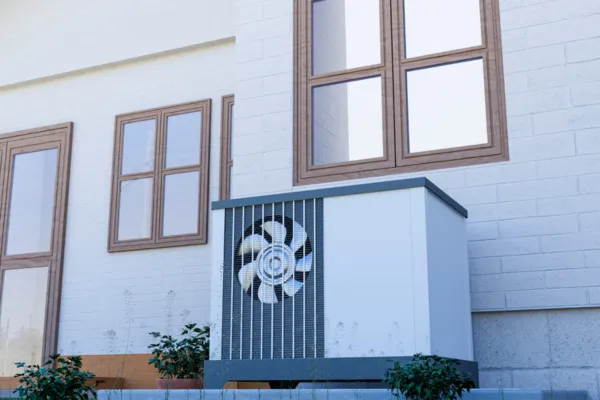
Our engineers specify and size mini-split, multi-split, PTAC heat pump, and ground-source heat pump systems correctly — avoiding the costly performance problems that come from oversized equipment.
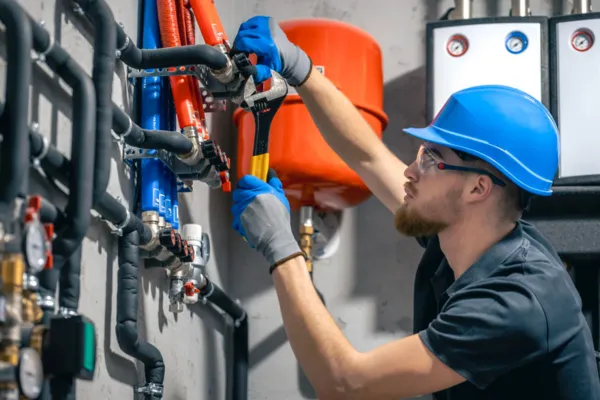
We design central air-to-water and water-to-water heat pump systems for domestic hot water, incorporating wastewater heat recovery to maximize energy efficiency and minimize operating costs.

An airtight, well-insulated envelope is foundational to an efficient all-electric building. We specify continuous air barriers, high-performance fenestration, and thermal break solutions to reduce mechanical loads.

We prepare and coordinate all LL154-related documentation for DOB NOW submissions, ensuring construction document approval without costly rejections or delays due to non-compliance flags.

LL154 compliance doesn't guarantee LL97 compliance. We run predictive energy models that ensure your all-electric new construction won't face carbon emissions fines under Local Law 97.
Can't find your answer? Our LL154 experts are available for a free consultation.
Talk to an ExpertLL154 prohibits the on-site combustion of any fuel that emits more than 25 kg of CO₂ per MMBtu of energy in covered new buildings. In practice, this bans natural gas, fuel oil, and similar fossil fuels for space heating, service hot water, cooking ranges, and clothes dryers. Fully electric systems — heat pumps, electric water heaters, induction cooktops — are compliant. The law applies to new building applications and alterations that require a new certificate of occupancy.
LL154 applies to work that requires a New Building (NB) application or an Alt-CO New Building with Existing Elements to Remain application (an alteration filed as a New Building under Section 28-101.4.5). Standard renovation or alteration filings to an existing building that do not require a new certificate of occupancy are generally not subject to LL154. Existing buildings may also continue to convert from oil to gas under current law. If you're unsure, contact Cotocon — the application type matters enormously.
Several building types and uses are exempt from LL154: buildings used by regulated utilities for energy generation; NYC DEP facilities for sewage or food waste treatment; and specific spaces within otherwise-covered buildings where fossil fuels are necessary for manufacturing operations, laboratories, laundromats, hospitals and crematoria, commercial kitchens, and emergency or standby power systems. Note that these are space-specific exceptions — the rest of a building with an exempt commercial kitchen must still comply with LL154 for all other systems.
The compliance date is determined by the date the initial General Construction (GC) application is submitted in DOB NOW — not when construction begins, not when a permit is pulled, and not when the building is completed. If your GC application is filed before the applicable compliance deadline, the entire project is not subject to LL154. However, if a major redesign forces a new, separate GC application after the deadline, that new application will be subject to LL154. Plan early to protect your filing date.
Under the law, the DOB Commissioner "shall not approve the application for the approval of construction documents, nor issue any permit in connection therewith." Non-compliant applications are simply rejected. This means no building permit can be issued until the application is revised to meet LL154 requirements — causing potentially significant project delays and redesign costs. Proactive compliance from the outset is far less costly than remediation after rejection.
No — and this is a critical misconception. LL154 governs new construction fuel sources. LL97 governs ongoing carbon emissions from buildings over 25,000 square feet, with annual fines for exceedances. A new building designed to meet or exceed energy code compliance under LL154 does not automatically meet LL97 emissions limits. Developers must model their building's projected energy use and verify LL97 compliance separately. The Cotocon Group conducts integrated LL154 + LL97 planning to ensure your building avoids fines from day one of occupancy.
Yes — with the right equipment selection and sizing. Cold climate air source heat pumps (ccASHPs) are specifically designed to maintain heating output at low outdoor temperatures, unlike conventional heat pumps that lose significant capacity below 20°F. NEEP's Northeast Energy Efficiency Partnerships maintains a curated list of cold climate-rated products at ashp.neep.org. The most important factor is correct sizing: oversized heat pumps are less efficient, less comfortable, and more expensive to operate. Cotocon's engineers perform rigorous load calculations using ASHRAE design conditions to ensure right-sized equipment.
Several programs can offset the upfront costs of all-electric systems. The federal Inflation Reduction Act (IRA) provides tax credits for qualifying heat pumps, electric HVAC systems, and energy efficiency improvements. NYSERDA offers multiple commercial and residential programs for high-efficiency heat pumps and building envelope upgrades. ConEd's Demand Response and Distributed Energy programs provide additional financial value. NYC Accelerator provides free advisory services to help building owners identify and access available incentives. Cotocon's team helps you navigate and capture all applicable programs.
LL154's phased compliance dates differ for buildings under and over 7 stories. The building is considered as a whole — not based on individual floor or unit ownership (co-ops, condos, etc.). LL154 also applies to individual buildings, not groups of buildings on a shared property. For example, an office building and a separate garage on the same lot would each be evaluated independently. Buildings that increase floor surface area by more than 110% of existing floor surface under Section 28-101.4.5 trigger full LL154 compliance.